It’s usually a small start. There are a number of Raspberry Pi devices may be set up in a testing environment, like a lab. The problem is easily solvable. You can test devices on your own to update them if needed and address issues as they occur.
Then, the things begin to develop.
More devices get added. Different locations become involved. All of a sudden, managing everything becomes a lengthy task. At this point, businesses start looking for more structured ways to keep their systems in order. Most often, they resort to solutions such as AWS devices management Raspberry Pi, which brings everything under one umbrella.
Growth is thrilling however, without the proper method put in place, it can quickly get out of control.
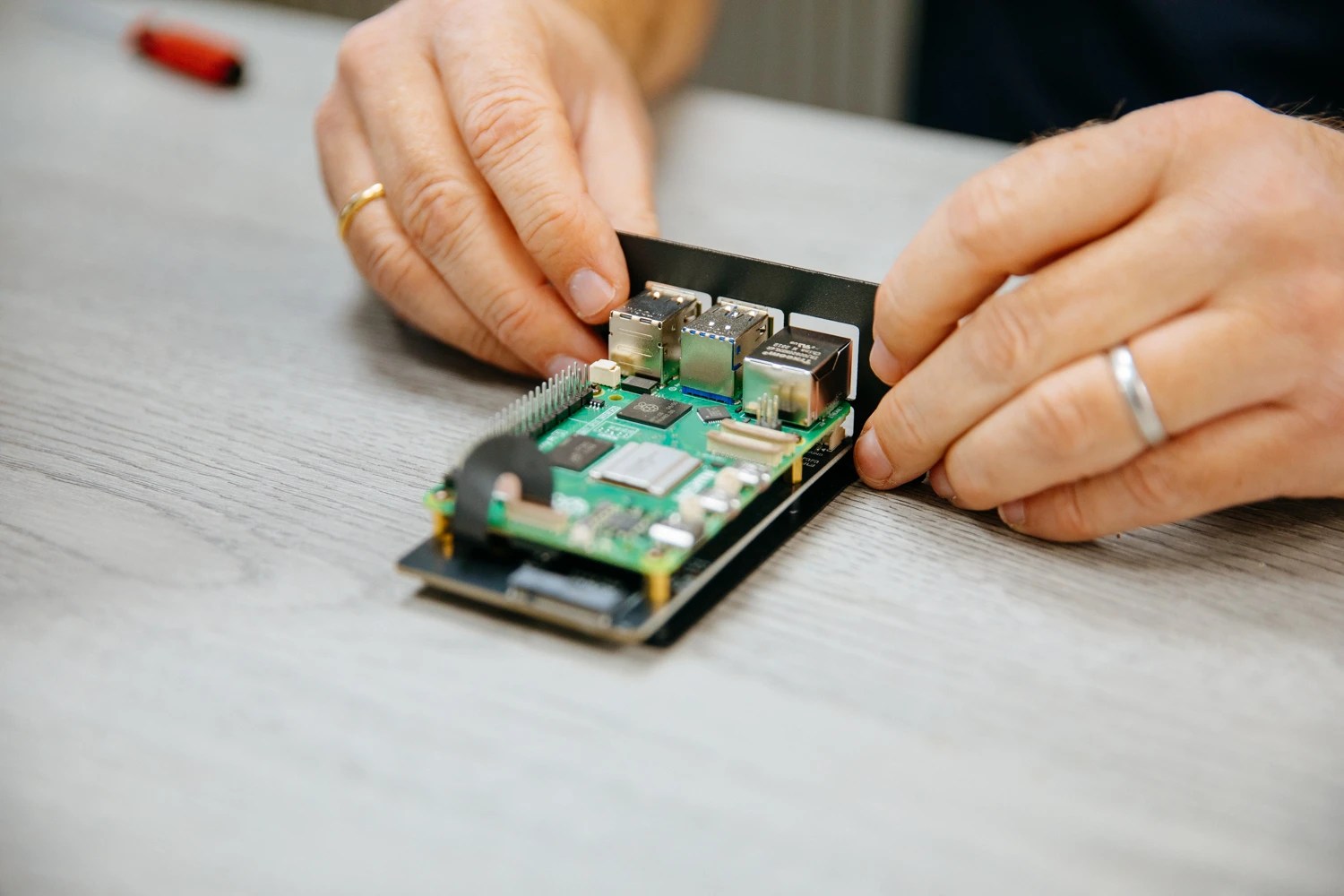
Step beyond manual Oversight
The individual management of devices may be a good option for a small number of units, but it’s not effective for larger numbers of. If deployments are increasing teams must figure out an effective way to manage the operations in a way that is not being forced to tackle every issue.
A solid device manager Raspberry Pi setup changes how teams interact with their systems. Centralized systems make it possible to monitor all devices without having to perform this manually. Devices can be monitored, updated and configured without needing physical access.
This reduces the pressure on teams, and creates an environment which is more stable and less is left to chance.
Remote Access is a Fantastic Opportunity to Have Freedom
One of the major innovations in modern device management is the capability to connect to Raspberry Pi remotely. This capability removes the need to physically be present, which can cut down on time, particularly if devices are spread across several areas.
Remote access allows teams to resolve issues immediately, deploy updates and change configurations without delay. Today, issues that used to require travel or assistance on site is now managed on one dashboard.
This level of control gives an attitude of flexibility that is necessary for growing systems.
See Everything As It Happens
It’s not enough to be able to verify that devices are functioning. It is only when you are able to see what the devices are doing in real-time that the system can be truly reliable.
Teams can observe and manage Raspberry Pi device management and identify any unusual behavior. They can then react to small problems before they escalate into a major issue. This transparency encourages a more proactive approach instead of one that is reactive.
If systems are continuously monitored and monitored continuously, they become more predictable and manageable.
Tools that simplify the process
As device networks grow, complexity tends to increase. Without the appropriate tools for managing changes, configurations, and performance can become overwhelming.
Modern Raspberry Pi device management tools are designed to simplify these tasks. They automatize routine tasks offer clear information, and ensure that devices stay at a constant pace with the goals of operation.
Instead of being occupied with tedious tasks, teams could focus on developing their systems and enhancing their capabilities.
Systems that grow with You
Scalability is a crucial aspect of managing devices. It is vital in managing devices. A system that can manage ten devices will also be able to handle hundreds or perhaps thousands.
AWS device management Raspberry Pi allows businesses to develop systems that expand without losing their structure. Each new device will become part of a larger network instead of adding complexity. This technique allows the increase to appear planned, rather than chaotic.
Stability and stability is a must as systems grow
The growth of a company is usually accompanied by new dangers. Stability is essential because more devices means more points of failure.
Being able to monitor and control Raspberry Pi management and IOT device, systems be stable as they grow. Early detection of issues as well as consistent updates and maintaining performance across the network are all feasible. Businesses can count on their systems because of this reliability.
How do you manage devices in an easier way
Management of devices does not need to feel overwhelming. If the proper structure is in place, even massive deployments can be handled with ease.
Companies can improve their operations by using systems such as AWS device management Raspberry Pi. What was once a daunting task now becomes simple, and what required constant attention now becomes simple.
ScalerPi is focused on making this transition smooth to help businesses transition from chaotic setups to, scalable systems.
As more businesses adopt IoT and other advanced technologies that require a precise and reliable management approach will be a key part of the long-term success.